
SHORT ANSWER
Identify whether you mean a register or a duct section. Have an HVAC professional assess support, system isolation, possible asbestos and reconnection before disturbing the duct. Suspected asbestos requires qualified assessment and handling.
Distinguish the register from the duct
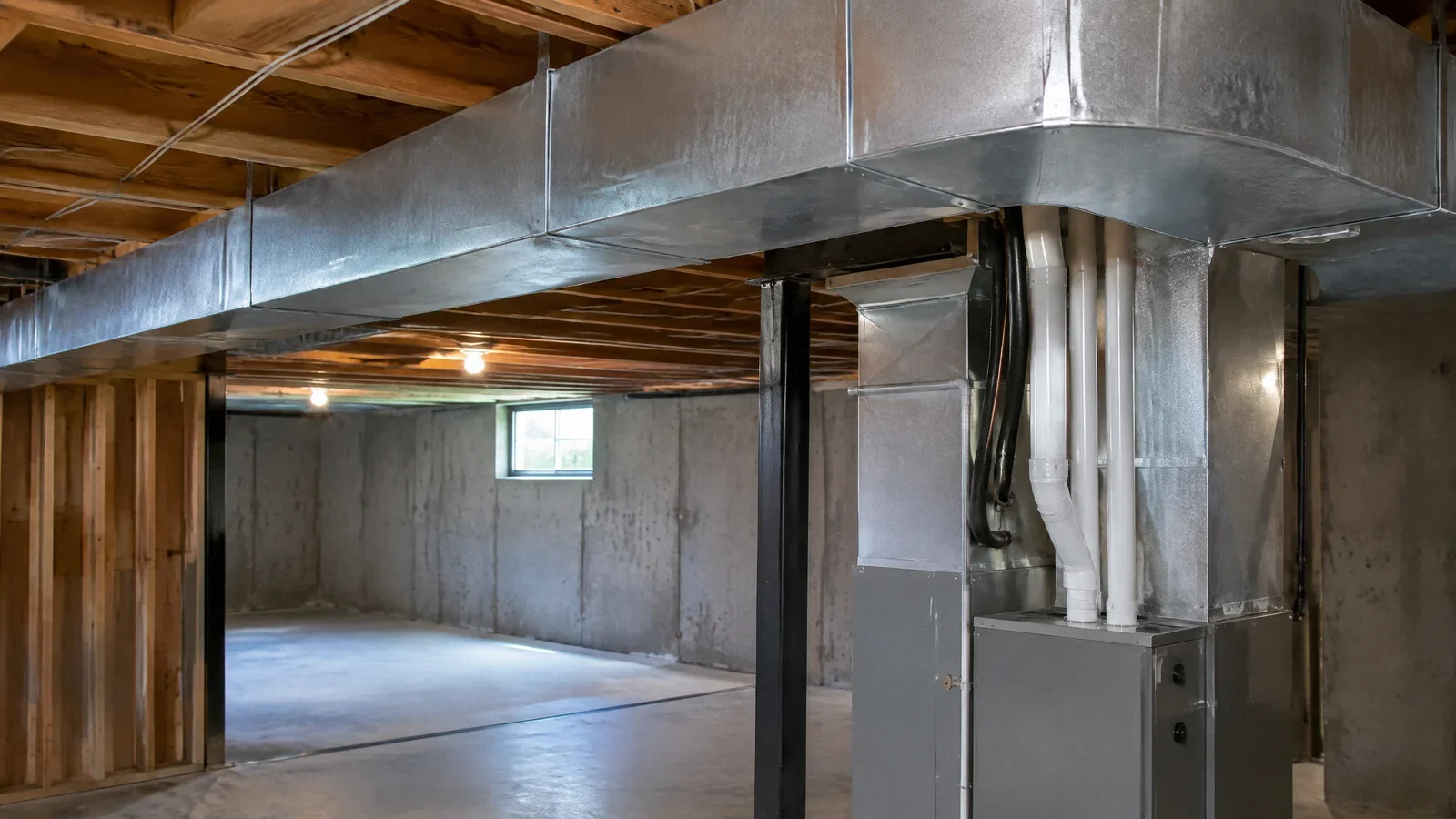
A register or grille is the visible cover at a wall, ceiling or floor opening. The duct is the connected passage that carries air to or from the heating and cooling system. Removing a cover for inspection is different from disconnecting a duct branch, dismantling a metal trunk or removing insulated ductwork. Identify the actual part and reason for removal before asking for service.
A temporary disconnection for access, replacement of a damaged section and permanent removal of a branch have different implications. A branch serving a room cannot simply be discarded without considering airflow and the comfort and operation of the whole system. A qualified HVAC contractor can identify the component and plan the work.
Check for hazards before disturbing material
Older ducts, insulation, tape, register boots or surrounding materials may contain asbestos. EPA advises that asbestos-containing material in heating and cooling systems should not be disturbed except by specially trained and equipped contractors. Appearance alone cannot reliably identify asbestos. If the material is suspect, damaged or unknown, stop and seek a qualified assessment before cutting, scraping or removing it.
Also consider sharp metal edges, overhead sections, electrical equipment, confined spaces and deteriorated insulation. Do not enter an unsafe attic or crawlspace or work around exposed electrical parts. If the duct is near a combustion appliance, distinguish air distribution ducts from flues or combustion vents; disconnecting a vent can create a serious hazard.
Decide whether the duct needs removal
Ask the contractor to determine whether the concern is a loose connection, damaged insulation, restricted airflow, contamination, a remodel conflict or a section that must be replaced. A loose joint may need repair rather than removal. A wet or visibly damaged section requires investigation of the moisture source and condition of surrounding materials.
If mold is suspected in or near the system, EPA advises consulting its duct guidance and addressing the underlying moisture problem. A visual stain is not a species identification. Do not run the system if a professional advises that it could spread contamination, and do not attempt to clean or dismantle suspect insulation yourself.
Plan disconnection and support
Provide the contractor with the location, photographs taken from a safe place, system type and the reason access is needed. Ask how the section will be supported before joints are separated, what nearby components will remain in service, and whether insulation or ceiling finishes must be removed. Sheet metal, flexible duct and duct board have different construction and cannot all be handled the same way.
The technician should identify the system and isolate equipment safely before work, protect the surrounding area, and handle sharp or heavy sections with suitable support. Ask how the open ends will be protected while the system is out of service. Do not operate the system with an open or disconnected duct unless the responsible technician has specifically established that it is safe.
Reinstall, seal and verify
If the duct will be reinstalled or replaced, agree on the material, insulation, supports and connections. DOE guidance describes suitable duct sealing materials and cautions that ordinary cloth-backed duct tape can dry out and fail. The correct materials and installation depend on duct type and applicable requirements. A damaged flexible duct may need replacement rather than being squeezed or kinked back into place.
Ask the contractor to check that connections are secure, the intended rooms receive air, insulation and any vapor barrier are restored where needed, and the system operates properly. Depending on the work, airflow, duct leakage or combustion safety testing may be appropriate. DOE’s duct guidance includes assessment and testing when sealing existing systems.
Document the work and watch for problems
Request an itemized scope, any required permit or inspection information, and a record of the removed and replaced sections. If hazardous material was handled, obtain documentation from the appropriately qualified contractor. Keep the report with the system records and note any remaining repair or finish work.
After the system returns to service, report new rattling, poor airflow, unusual odors, condensation or a room that no longer heats or cools as expected. Do not cover registers or make further changes to compensate for a problem without assessment. A properly sealed duct cannot resolve a moisture source or an unrelated equipment fault by itself.
Checklist
- Identify the part and reason for removal.
- Stop if insulation or tape may contain asbestos.
- Have an HVAC contractor plan isolation and support.
- Agree on reconnection, sealing and insulation.
- Verify operation and retain the work record.
Common questions
Is a register the same as an air duct?
No. The register or grille is the visible cover; the duct carries air through the building.
Can I remove old duct insulation myself?
Do not disturb material that may contain asbestos. Arrange a qualified assessment and handling as needed.
Can I leave a disconnected duct open?
Do not operate the system with an open duct without direction from the responsible technician. The opening can affect airflow and draw or release contaminants.
Sources
- Should You Have the Air Ducts in Your Home Cleaned?government
- Protect Your Family from Asbestosgovernment
- More about Tight Duct Sealinggovernment
- Sealing and Insulating Ducts in Existing Homesgovernment