
SHORT ANSWER
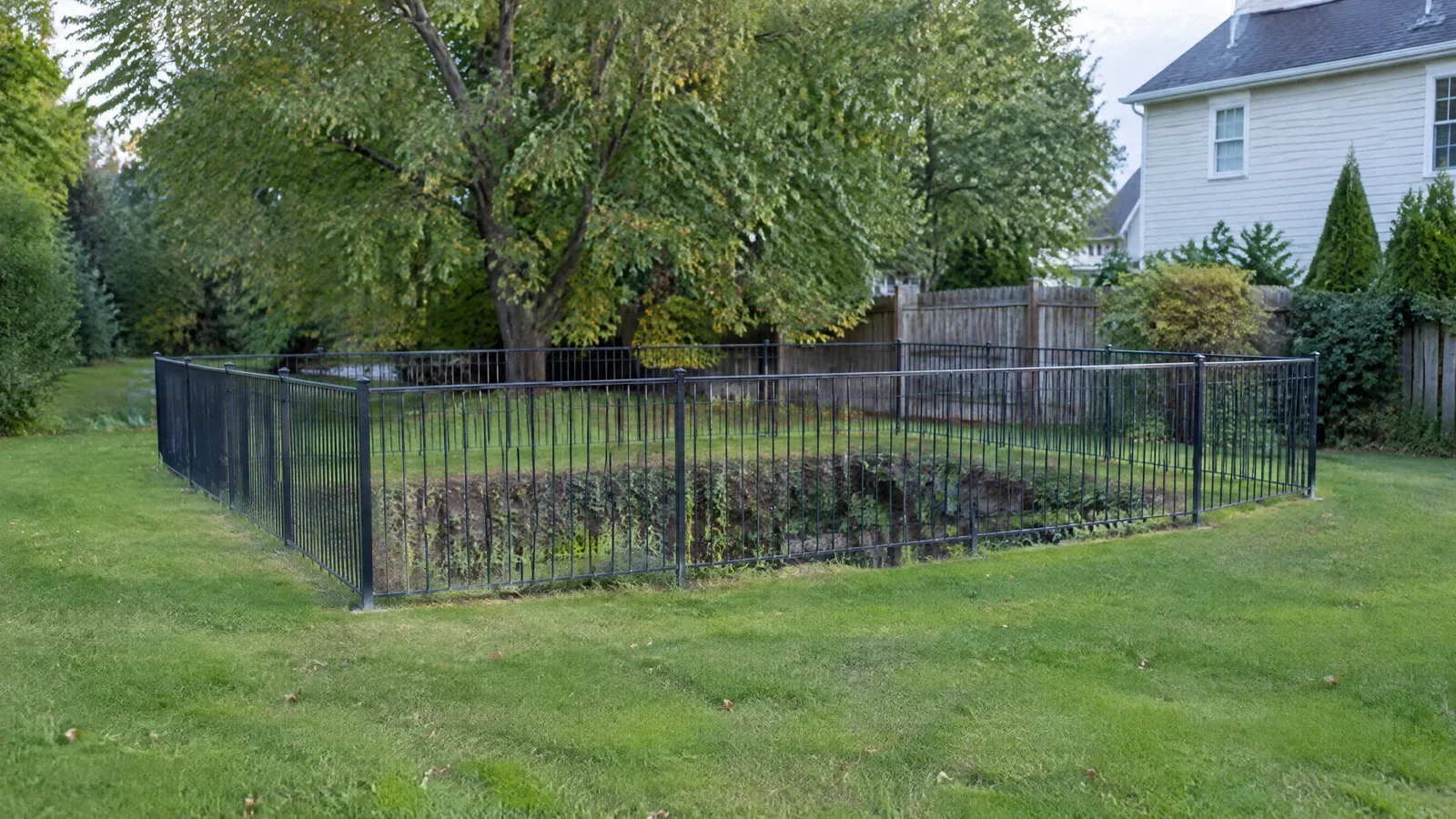
A sinkhole is repaired only after its cause, extent and effect on nearby structures have been assessed. A professional may repair a leaking pipe, stabilize a cavity with engineered fill or grout, improve drainage, or design structural support. The visible opening can be smaller than the unstable area underground. Keep people away from the depression and contact local authorities or a qualified geotechnical engineer rather than pouring material into it yourself.
How sinkholes are repaired
A sinkhole is repaired only after its cause, extent and effect on nearby structures have been assessed. A professional may repair a leaking pipe, stabilize a cavity with engineered fill or grout, improve drainage, or design structural support. The visible opening can be smaller than the unstable area underground. Keep people away from the depression and contact local authorities or a qualified geotechnical engineer rather than pouring material into it yourself.
Keep people away
Move people and pets away from the depression, including its edges. Do not enter it, drive near it or assume that a small opening is stable. If the ground is moving, a building is cracking rapidly, or there is an immediate threat to people, leave the area and contact emergency services. A suspected gas leak or damaged utility requires the relevant utility's emergency response. Do not operate switches or attempt to repair a damaged line yourself. Restrict access from a safe distance and follow directions from responders.
Document the change
Record what can be seen from a safe position: the location, approximate size, date noticed and changes in nearby paving, drainage or foundations. Photographs taken from a safe place may help an engineer and insurer compare conditions over time. Do not walk to the rim for a measurement. Alert the property owner or manager if you rent. Ask your insurer how to document damage and whether an adjuster should inspect before non-emergency work; coverage is policy-specific.
Find the cause
A depression is not automatically a natural sinkhole. USGS notes that leaking underground pipes, old construction pits and buried materials can also cause settlement. A water or sewer leak can wash soil away and create a void, while soluble rock can produce natural subsidence. The repair differs substantially depending on what is happening underground. A contractor who only fills the surface without investigating a possible leak or cavity may leave the underlying cause unresolved.
Arrange an investigation
A state geological survey can explain local geology and reporting options. USGS suggests consulting a professional geologist or geotechnical engineer when necessary. The engineer may review the site history and visible damage, assess utilities and drainage, and decide whether subsurface investigation is justified. Investigation can include methods such as borings or other tests selected for the site; no single test finds every void. The professional should explain what was checked, remaining uncertainty and the limits of the findings.
Repair water and drainage problems
If a damaged pipe caused soil loss, the utility or plumber can locate and repair the line, followed by an engineered plan for the missing soil and affected surfaces. Correcting the pipe alone does not establish that the surrounding ground or foundation is stable. Similarly, if surface runoff concentrates at the depression, the design may address drainage as well as the void. Avoid redirecting large volumes of water into or around the opening while awaiting advice; changes to drainage can affect both the feature and neighboring property.
Options for stabilizing ground
Engineered treatment of a natural cavity depends on geology, depth, access and the loads above it. An engineer may specify graded fill, a filter arrangement, grout injected into subsurface voids, or a combination of techniques. Some sites need structural support or a bridge over unstable ground rather than a simple surface patch. Grout is not a universal cure: its mixture, placement, pressure and verification must match the investigation and design. Uncontrolled filling can conceal continuing settlement or divert water without addressing the cause.
Protect affected structures
Where a foundation or driveway is affected, ask the engineer whether a structural engineer should also assess it. Work may involve stabilizing the ground before repairing cracks, slabs or other finishes. Cosmetic crack repair by itself does not demonstrate that movement has stopped. The design should identify who is responsible for utility repairs, subsurface work, drainage, structural repairs and restoration of the surface. Permits, access agreements and local reporting requirements vary by location.
Compare the repair plan
Request a written scope identifying the assumed cause, proposed method, materials, investigation results and acceptance criteria. Ask how the contractor will record quantities and locations of placed material, what observations will trigger a revised plan, and whether follow-up monitoring is included. Because underground conditions can be uncertain, costs and scope can change when investigation reveals a larger void or a different cause. Compare proposals on their investigation and verification, not just on the amount of fill offered.
After the repair
After work, retain the engineer's report, contractor records and photographs. Follow any restrictions on access, irrigation, loading or construction. If new cracks, settlement or drainage problems appear, notify the responsible professional promptly and keep away from any new opening. Monitoring is valuable, but it is not a guarantee that every future cavity can be predicted. A completed repair should be understood in the context of the particular site and documented design.
Checklist
- Keep away from the depression.
- Report immediate danger or damaged utilities.
- Ask a qualified engineer to investigate the cause.
- Keep repair and monitoring records.
Common questions
Can I fill a sinkhole myself?
Do not fill an unexplained depression. Its edges or underlying cavity may be unstable, and the cause needs investigation.
Does grout repair every sinkhole?
No. A qualified engineer chooses a method based on the site, geology, loads and investigation.
Sources
- USGS: Suspected sinkholesprimary
- USGS karst guidebookprimary